- English
- Español
- Português
- русский
- Français
- 日本語
- Deutsch
- tiếng Việt
- Italiano
- Nederlands
- ภาษาไทย
- Polski
- 한국어
- Svenska
- magyar
- Malay
- বাংলা ভাষার
- Dansk
- Suomi
- हिन्दी
- Pilipino
- Türkçe
- Gaeilge
- العربية
- Indonesia
- Norsk
- تمل
- český
- ελληνικά
- український
- Javanese
- فارسی
- தமிழ்
- తెలుగు
- नेपाली
- Burmese
- български
- ລາວ
- Latine
- Қазақша
- Euskal
- Azərbaycan
- Slovenský jazyk
- Македонски
- Lietuvos
- Eesti Keel
- Română
- Slovenski
- मराठी
- Srpski језик

Save Labor & Cut Pre-Weaning Piglet Mortality
Manufactured and designed by Deba Brothers, the original factory source, our Lift Farrowing Crate can effectively reduce the risk of piglets being crushed by sows in the early stage after birth.
In modern intensive pig production, pre-weaning piglet mortality has long been a core bottleneck restricting herd PSY (Pigs Weaned per Sow per Year). Multiple industry studies confirm that sow crushing ranks as the top cause of newborn piglet deaths.
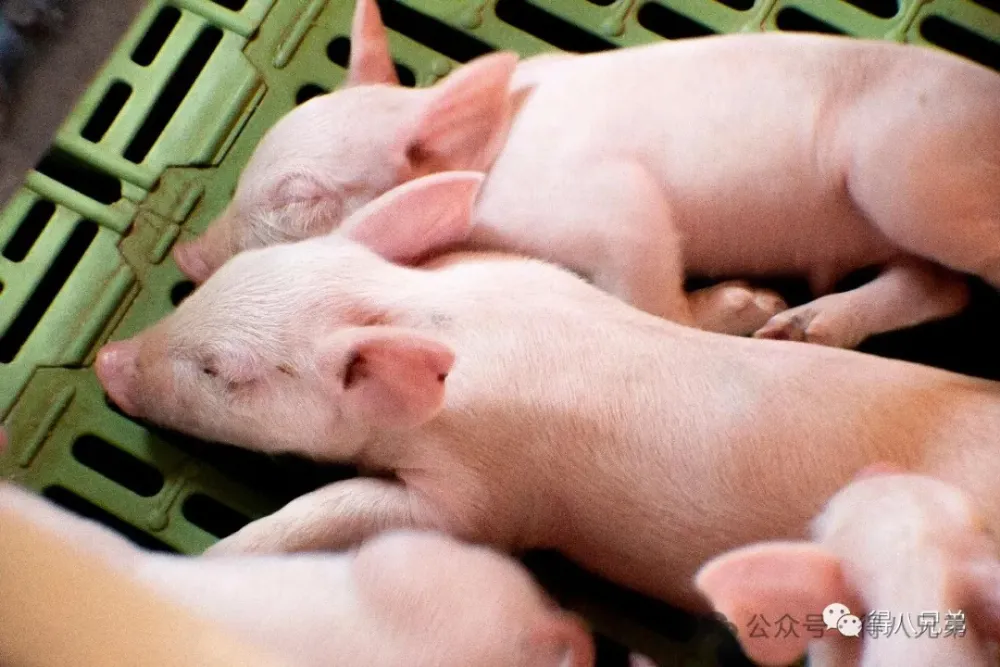
Long-term statistical data from European and American swine research institutes shows crushing accounts for 20%–40% of all pre-weaning piglet fatalities. On medium-managed farms, this figure can peak at 58.7%. More notably, over 80% of crushing accidents occur within the first 72 hours after farrowing. Around 70% of crushed piglets are vigorous and healthy at birth—not weak runt piglets—representing entirely avoidable production losses.
Conventional fixed farrowing crates, widely adopted across Chinese pig farms, restrain sow movement via narrow enclosures yet carry obvious flaws. When sows drop rapidly from standing to lying down, young piglets lack time to escape, making crushing risks impossible to eliminate. Many farms rely on all-night manual barn patrols to curb losses, yet rising labor costs make consistent round-the-clock supervision unsustainable.
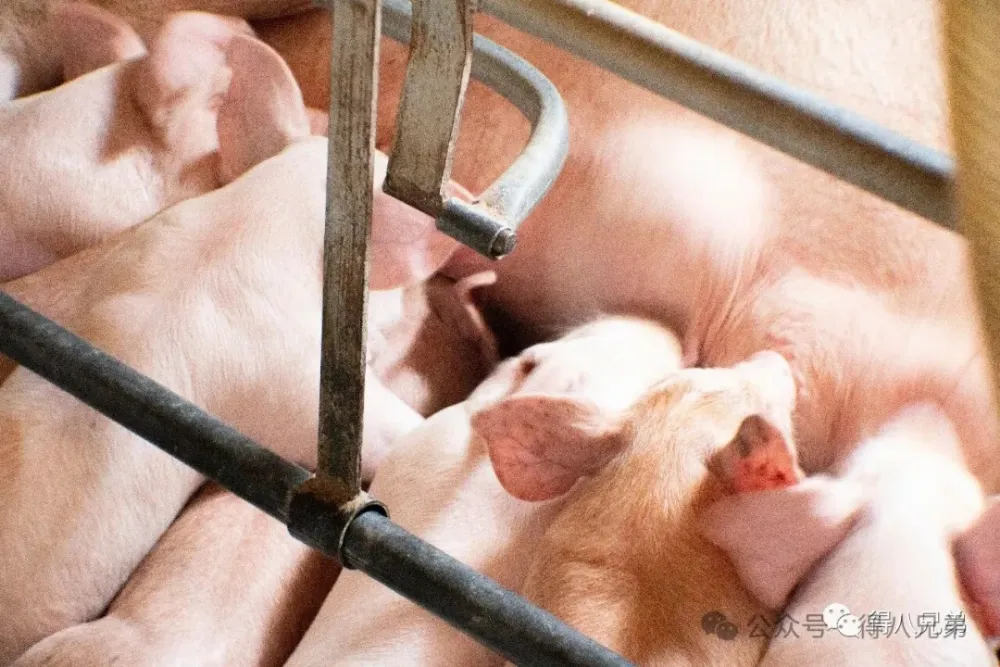
Over the past two decades, lift farrowing crates have gained widespread adoption on large-scale European pig farms as an innovative farrowing pen system. Extensive controlled trials and commercial farm data have validated its production benefits.
1. Academic Trial Data: Lift Crates Dramatically Lower Crushing Mortality
A controlled trial published in the Italian Journal of Animal Science (2017) divided 158 farrowing sows into three groups to compare crushing rates across conventional fixed crates, sliding crates and lift crates. The first 3 days post-farrowing mark the highest-risk window: conventional crates recorded a 5.46% crushing mortality rate, while lift crates only hit 0.54% — a statistically significant gap (P<0.001). The research concluded the lifting platform creates a physical height barrier, blocking piglets from crawling under the sow and eliminating crushing risks at the source.

A 2022 PMC journal paper The Effect of Lift Crates on Piglet Survival Rate and Sow Stress Level during Farrowing supplemented further trial findings. Under identical feeding and management standards, conventional crates averaged 0.44 crushed piglets per litter within 72 hours, versus just 0.15 for lift crates. The gap persisted through weaning: 0.48 crushed piglets per litter in standard crates compared to 0.37 in lift crates (P<0.05). Cortisol testing of sow hair also verified the lifting mechanism does not trigger significant chronic stress in sows.
2. Real-World Application Cases on Overseas Commercial Pig Farms
A 2017 field report by UK’s Farmers Weekly documented a large sow farm renovation case. Before switching to sensor-activated lift farrowing crates, crushing losses reached 7%; post-installation, the crushing rate fell below 1%, with optimized equipment stabilizing at 0.6%. The system runs primarily for the first 7 days post-farrowing and can be disabled once piglets gain strong mobility.
Field practices in France offer valuable reference. Industry surveys indicate lift crates are nearly 100% standard equipment on newly built large-scale French pig farms. Many operators report crushing mortality dropping from 10% to 1% after upgrading to lift farrowing pens. European producers favor lift crates for two key reasons: direct revenue gains from higher survival rates, and better alignment with long-term EU animal welfare regulations compared to fully open free-farrowing systems, balancing sow mobility and piglet safety.
Long-term tracking by Dutch livestock equipment manufacturer Nooyen calculates one lift crate can save an average of 6.5 extra weaned piglets per stall annually, delivering a fast return on equipment investment via increased off-take volumes.
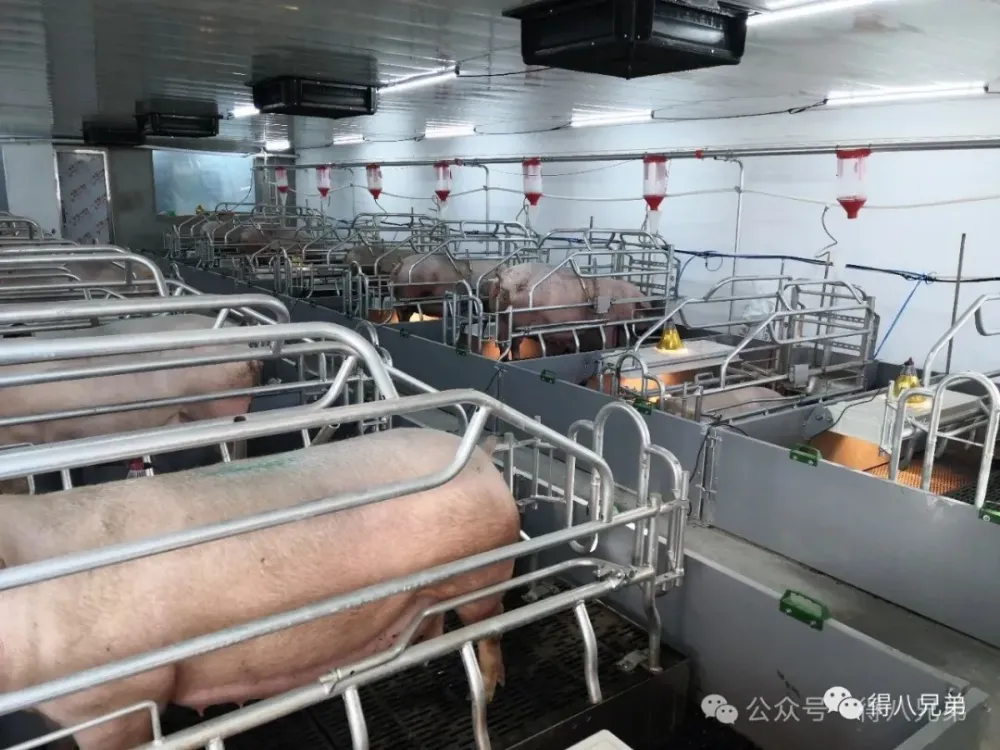
3. Core Working Principle of Lift Farrowing Crates
Lift crates operate on a fundamentally different logic from passive protection creep areas in standard crates:
When the sow stands: The sow bearing platform automatically rises, creating a height gap with the piglet resting zone, preventing piglets from crawling beneath the sow.
When the sow lies down: The platform lowers slowly, giving piglets ample time to evacuate the hazardous under-sow zone. Sensors activate automatically based on the sow’s posture, eliminating the need for constant human intervention and drastically cutting overnight barn supervision workloads.
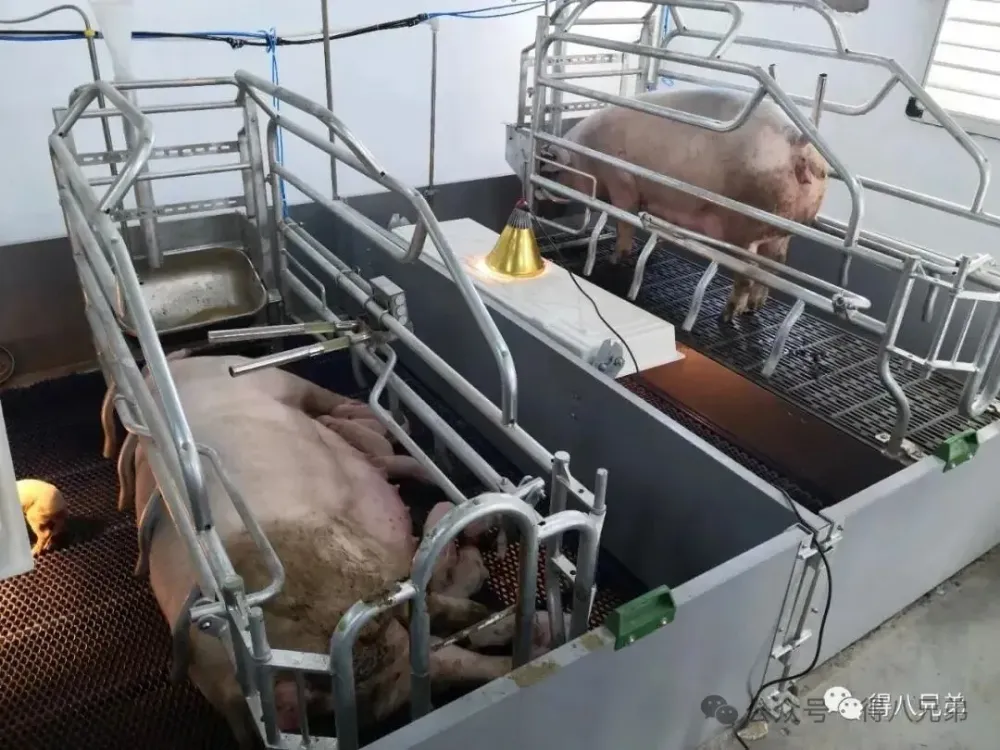
Beyond production safety, lift crates grant sows far greater freedom of movement instead of confining them permanently within narrow stalls. This improves hoof and leg health and reduces restlessness and stereotypic behaviors caused by prolonged restriction.
4. Reflections for Domestic Chinese Pig Farms
Following widespread adoption of high-yield maternal line sows in China, litters contain more live-born piglets with lighter individual birth weights, exacerbating crushing conflicts in farrowing barns. Most farms prioritize optimizing management workflows, regulating barn temperature and upgrading sow nutrition, yet frequently overlook hardware limitations.
Management adjustments only deliver limited marginal gains, while equipment upgrades deliver stable, long-term piglet protection. Farms planning new farrowing barn construction or phased renovation of outdated facilities can schedule on-site inspections of lift crate operation, calculating return on investment against their own herd production metrics based on sow inventory, labor expenses and long-term development plans.Profit margins in pig farming lie hidden within operational details. Saving every healthy newborn piglet directly boosts overall farm profitability.