- English
- Español
- Português
- русский
- Français
- 日本語
- Deutsch
- tiếng Việt
- Italiano
- Nederlands
- ภาษาไทย
- Polski
- 한국어
- Svenska
- magyar
- Malay
- বাংলা ভাষার
- Dansk
- Suomi
- हिन्दी
- Pilipino
- Türkçe
- Gaeilge
- العربية
- Indonesia
- Norsk
- تمل
- český
- ελληνικά
- український
- Javanese
- فارسی
- தமிழ்
- తెలుగు
- नेपाली
- Burmese
- български
- ລາວ
- Latine
- Қазақша
- Euskal
- Azərbaycan
- Slovenský jazyk
- Македонски
- Lietuvos
- Eesti Keel
- Română
- Slovenski
- मराठी
- Srpski језик

Effective Countermeasures Against Heat Stress in Summer
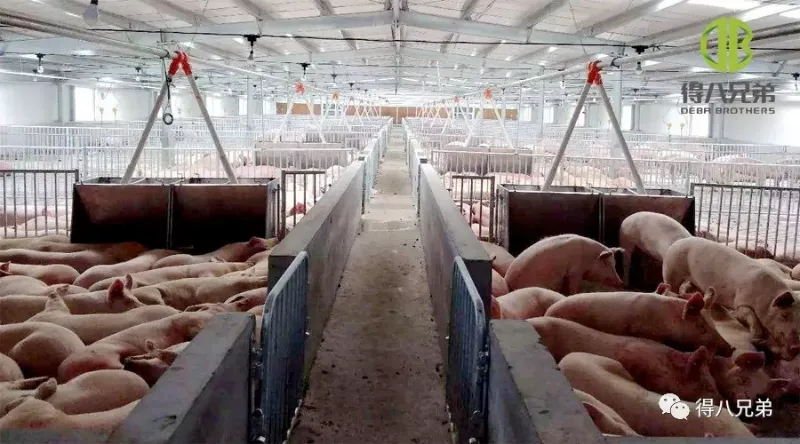
As summer temperatures surge, managing swine heat stress is critical for modern farms. Deba Brothers highlights that installing advanced Cooling Pad for Pig housing systems can effectively mitigate heat-induced yield loss. Farm operators looking to source high-quality equipment or request a quote should prepare early to safeguard herd health and performance this season.
1.Cooling Measures
Sprinkling and mist cooling systems can be adopted for boars, non-pregnant sows, gestating sows, and growing-finishing pigs. Drip cooling is suitable for lactating sows, with water dripped gently onto their necks at a low flow rate. Ventilation should be strengthened by installing extra fans when necessary, and humidity levels must be properly regulated.
Where conditions permit, greenery can be planted around pig barns and thermal insulation laid on roofs to reduce ambient heat. Inside barns, fan-and-pad cooling systems or air conditioners may be deployed. For farrowing houses equipped with negative-pressure ventilation and water cooling, special heat preservation arrangements should be provided for piglets housed near the cooling pads.
2.Supply Ample Drinking Water and Fresh High-Quality Feed
Apart from water used for cooling, pigs must have unrestricted access to drinking water with stable water pressure. Water supply pipelines and water towers should be shaded, buried underground or wrapped with insulation to avoid direct sunlight exposure, ensuring pigs can drink cool water.
Feed with good palatability and fresh quality should be provided. Residual feed in troughs needs prompt removal to guarantee feed freshness. The dietary energy concentration can be moderately raised while the proportion of high-fiber raw materials is reduced. Adding green forage or mixing feed with water can effectively boost feed intake.
3.Optimized Husbandry Management
Reduce stocking density. All high-stress operations including vaccination, herd transfer, and moving sows onto/off farrowing crates should be scheduled for cool early mornings or evenings. Supplementary vitamins can be added to feed to mitigate heat stress in pigs.
4.Timely Treatment of Heat Stress Symptoms
For pigs showing signs of heat stress such as heavy panting, red skin and ears, restlessness, dark yellow urine or oliguria, inject 10% vitamin C intramuscularly into the neck at a dosage of 0.1 mL per kilogram of body weight. Additionally, perform small-volume bloodletting via the ear veins, then spray cool water lightly over the pig’s body; avoid heavy cold water flushing which may trigger cold stress.
5.Prevention and Control for Heat-Stress-Susceptible Herds
Groups most vulnerable to heat stress include non-pregnant sows, lactating sows, finishing pigs and breeding boars, which account for a large proportion of pig herds on most farms. Rigorous anti-heat-stress prevention and control is therefore critical for these groups.
Conclusion
Heat stress is prevalent in pig farms during summer. Effective prevention relies on comprehensive planning in farm infrastructure, including full implementation of heatstroke prevention, cooling, ventilation and biosecurity protocols to minimize heat stress incidents.
Summer housing concentrates pig herds intensively, which imposes stricter requirements on water supply, temperature, humidity and stocking density. Farm operators should refine daily management to prevent substantial economic losses.
When heat stress occurs, avoid blind, indiscriminate medication. Mitigate health risks by optimizing the living environment and physiological conditions of pigs. Supplementing feed with Chinese herbal preparations and anti-stress additives delivers prominent relief at lower production costs.
Please feel free to contact us!