- English
- Español
- Português
- русский
- Français
- 日本語
- Deutsch
- tiếng Việt
- Italiano
- Nederlands
- ภาษาไทย
- Polski
- 한국어
- Svenska
- magyar
- Malay
- বাংলা ভাষার
- Dansk
- Suomi
- हिन्दी
- Pilipino
- Türkçe
- Gaeilge
- العربية
- Indonesia
- Norsk
- تمل
- český
- ελληνικά
- український
- Javanese
- فارسی
- தமிழ்
- తెలుగు
- नेपाली
- Burmese
- български
- ລາວ
- Latine
- Қазақша
- Euskal
- Azərbaycan
- Slovenský jazyk
- Македонски
- Lietuvos
- Eesti Keel
- Română
- Slovenski
- मराठी
- Srpski језик

Research Status of Fermented Feed in China
China’s fermented feed technology started later than European and American countries yet has undergone rapid development over the past decade. At present, compound probiotic preparations dominated by Bacillus and lactic acid bacteria dominate the market and deliver satisfactory effects. Microbial fermented feed technology has emerged as a new research hotspot in animal husbandry.
In its 2003 official announcement, the Ministry of Agriculture of China updated the list of microbial strains permitted for addition into animal feeds, including Bacillus licheniformis, Bacillus subtilis, Bifidobacterium bifidum, Enterococcus faecalis, Enterococcus faecium, Lactobacillus lactis, Lactobacillus acidophilus, Lactobacillus casei, Lactococcus lactis, Lactobacillus plantarum, Pediococcus acidilactici, Pediococcus pentosaceus, Candida utilis, Saccharomyces cerevisiae, and Rhodopseudomonas palustris.
Fermentation methods for feed are generally divided into solid-state fermentation and liquid-state fermentation. Liquid fermentation technology is predominantly adopted overseas, while solid-state fermentation is more widely used in China, relying on naturally occurring lactic acid bacteria and yeasts for fermentation. Practical production has proven that solid-state fermentation is simple, low-cost and practical for industrial application. It eliminates manual material turning, drastically cuts labor intensity, supports mass production, and is highly suitable for nationwide promotion. Currently, fermented feed in China is applied across all livestock sectors including poultry, aquaculture, ruminants and swine.
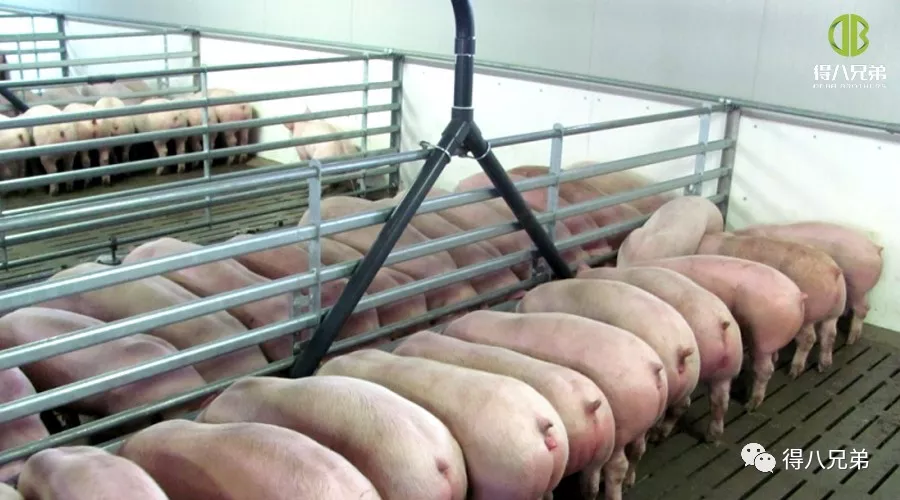
In 2003, Zhang Guirong found that appropriate supplementation of fermented corn straw powder in broiler diets not only reduced feed costs but also improved meat quality, offering an effective approach to producing green broiler products. In 2007, Zhu Liguo conducted feeding trials on meat ducks with fermented feed and confirmed that fermented feed improved feed palatability, lowered feed conversion ratio, enhanced slaughter performance and cut feed expenses. In 2004, Luo et al. supplemented grouper diets with 14% fermented soybean meal; the weight gain rate showed no significant difference compared with the control group (p>0.05), yet weight gain decreased significantly with higher inclusion levels of soybean meal (p<0.05). Also in 2004, feeding experiments on mutton sheep conducted by Zhang Naifeng et al. demonstrated that apple fermented feed boosted daily weight gain and disease resistance of sheep. In 2008, Kobashi et al. fed piglets liquid fermented feed and observed an increased population of lactic acid bacteria in the intestinal tract, indicating that liquid fermented feed could suppress the proliferation of harmful bacteria. Overall, fermented feed presents promising application prospects in poultry, ruminant breeding, aquaculture and pig farming in China.
Advantages of Fermented Feed over Complete Formula Feed
In 1998, Sun Bingzhong pointed out that yeast promotes phytase production and improves phosphorus utilization efficiency in monogastric animals. Furthermore, beneficial microbes in fermented feed serve as non-specific immune regulators that enhance phagocyte activity or act as adjuvants to activate the animals’ inherent immune functions. Wang Lijuan (1999) and Zhang Guodong (1998) separately discovered that probiotics from fermented feed colonize animal intestines and produce abundant metabolites that facilitate nutrient digestion, thereby accelerating animal growth and development.
A 2002 study by Gill et al. revealed that Lactobacillus strains can strengthen host immunity.
In 2001, Hu Xingdong et al. found that certain beneficial microorganisms produce enzymes; for instance, extracellular glycosidases secreted by Bifidobacterium and Lactobacillus block the adhesion and invasion of bacterial toxins onto epithelial cells.
Also in 2001, Xu Ying et al. stated that some lactic acid bacteria such as Lactobacillus acidophilus and Lactobacillus bulgaricus generate trace hydrogen peroxide, which inhibits the reproduction of numerous bacteria, especially Gram-negative pathogenic strains.
In 2002, Xu Shannan et al. summarized the core strengths of microbial fermented feed relative to conventional feed: probiotics ferment low-cost agricultural and light industry byproducts to generate high-quality feed protein raw materials. The application of such feed realizes waste recycling, elevates feed conversion efficiency and accelerates livestock growth. In addition, fermented feed optimizes intestinal flora balance to improve animal health, with bacteriocins such as nisin as representative functional metabolites.
In 2006, Qi Guanghai et al. explained that beneficial microbes in fermented feed exert competitive exclusion to hinder the adhesion and reproduction of harmful bacteria in animal intestines, which is especially vital for young animals with underdeveloped or dysregulated intestinal microflora.
In 2008, Lü Shuxia et al. found that polypeptide substances produced during fermentation exert inhibitory effects on Gram-positive bacteria.