- English
- Español
- Português
- русский
- Français
- 日本語
- Deutsch
- tiếng Việt
- Italiano
- Nederlands
- ภาษาไทย
- Polski
- 한국어
- Svenska
- magyar
- Malay
- বাংলা ভাষার
- Dansk
- Suomi
- हिन्दी
- Pilipino
- Türkçe
- Gaeilge
- العربية
- Indonesia
- Norsk
- تمل
- český
- ελληνικά
- український
- Javanese
- فارسی
- தமிழ்
- తెలుగు
- नेपाली
- Burmese
- български
- ລາວ
- Latine
- Қазақша
- Euskal
- Azərbaycan
- Slovenský jazyk
- Македонски
- Lietuvos
- Eesti Keel
- Română
- Slovenski
- मराठी
- Srpski језик

Local Raw Materials: The Core Synergies and Value Advantages of Liquid Feeding in Pig Farms
Against the backdrop of large-scale and intensive development in pig farming, feed cost control and efficient resource utilization have become core indicators of industrial competitiveness. With its high adaptability to raw materials and strong conversion efficiency, liquid feeding technology provides technical support for the large-scale application of local raw materials. Local raw materials specifically refer to agricultural by-products, grain processing residues, and other local resources available around breeding areas. Their integration with liquid feeding not only reshapes the feed material supply system but also delivers irreplaceable benefits in cost reduction, nutrition optimization, and environmental sustainability, making it a critical pathway for quality improvement and upgrading in modern pig farming.
Reducing Feed Costs and Building a Low-Cost Raw Material Supply System
A key advantage of local raw materials lies in the cost benefit of local procurement, which perfectly matches the material inclusiveness of liquid feeding systems. Traditional dry feeding imposes high requirements on particle size and purity of raw materials, making many local raw materials difficult to use directly due to irregular physical forms and high impurity content. In contrast, liquid feeding can efficiently convert local agricultural by-products such as corn stover, wheat bran, rice husk meal, distiller’s grains, soybean residue, and fruit pomace into high-quality feed components through pre-treatment processes including crushing, mixing, and fermentation. Most of these materials are waste from surrounding farmers or processing plants, with procurement costs far lower than commercial feed ingredients; some can even be obtained locally free of charge, significantly reducing procurement and transportation costs of feed raw materials.
In terms of cost structure, feed transportation usually accounts for 15%–25% of total commercial raw material costs. By limiting the procurement radius of local raw materials to within 50 kilometers, transportation distance is drastically shortened, cutting transportation costs by more than 60%. Meanwhile, liquid feeding systems achieve extremely high raw material utilization. Microbial fermentation eliminates anti-nutritional factors in local raw materials, converting indigestible crude fiber and crude protein into easily absorbable small molecules, reducing waste and further lowering unit feed costs. This “local sourcing + technical conversion” model frees pig farms from dependence on long distance commercial raw materials and establishes a stable, low-cost supply system.
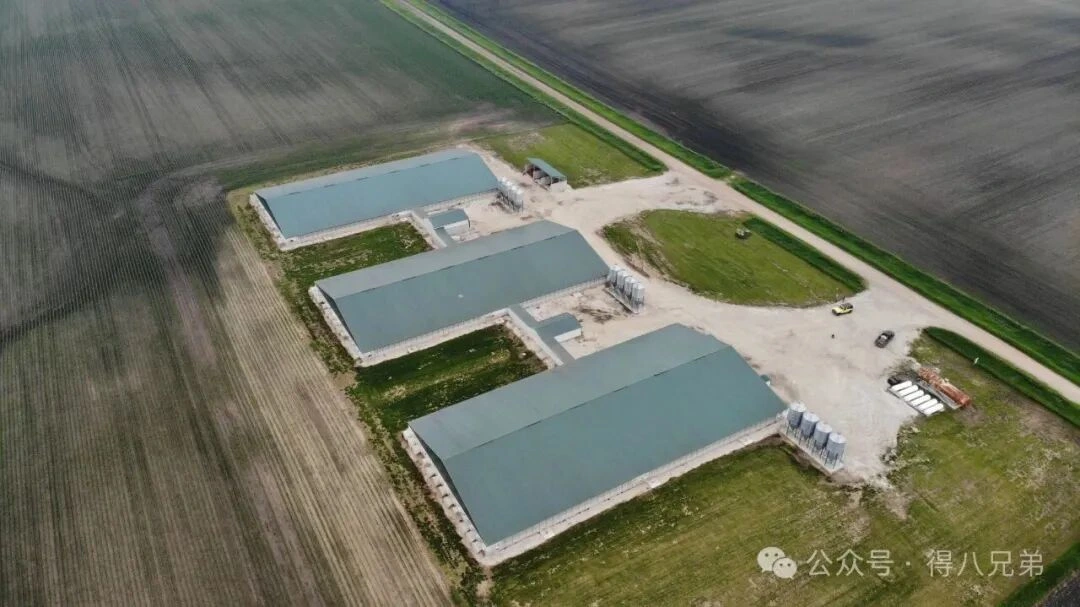
A US client farm served by Debaxiong Brothers is surrounded by plains planted with corn and soybeans, with dedicated grain silos. Compared with domestic farms of the same scale, it saves huge annual expenses on feed and related costs.
Diversifying Nutrition and Achieving Precise Nutritional Adaptation
The diversity of local raw materials provides abundant options for nutritional formulation in liquid feeding, enabling scientific combinations to complement nutrients and meet the growth needs of pigs at different stages. Local raw materials vary by region: corn cob meal and wheat bran from northern production areas are rich in dietary fiber and B vitamins, improving intestinal motility; distiller’s grains and sugar residues from southern regions contain abundant amino acids and bioactive substances, enhancing palatability and nutrient density; fruit pomace and vegetable leaves from fruit and vegetable areas are high in vitamin C, minerals, and other trace elements, filling nutritional gaps in conventional feed.
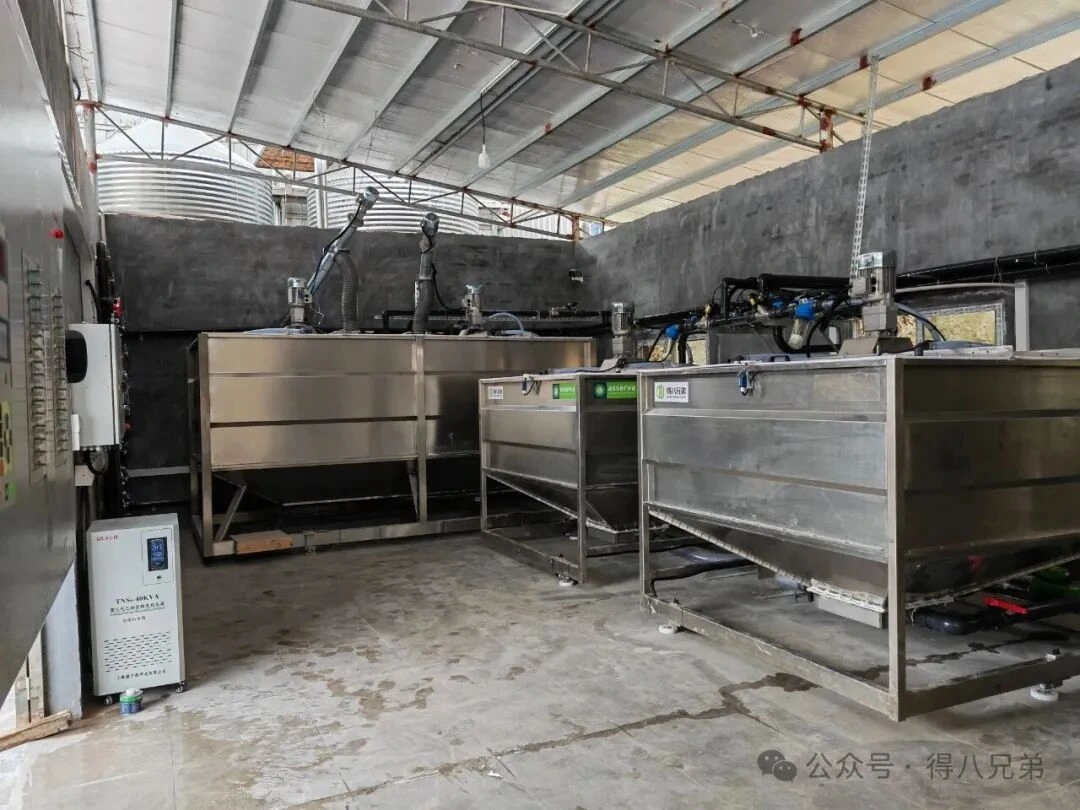
Through intelligent batching systems, liquid feeding technology precisely mixes and ferments various local raw materials with basic feed. This balances protein, energy, minerals, and other nutrients, while fermentation produces organic acids, probiotics, and other beneficial components to improve nutrient absorption. For example, fermenting local soybean residue with corn meal and soybean meal increases crude protein utilization by 10%–15% and significantly boosts essential amino acids such as lysine and methionine, fully meeting the nutritional requirements of finishing pigs. This location specific nutrition model leverages the nutritional strengths of local raw materials and uses liquid feeding processes to achieve precise and personalized nutrient supply.
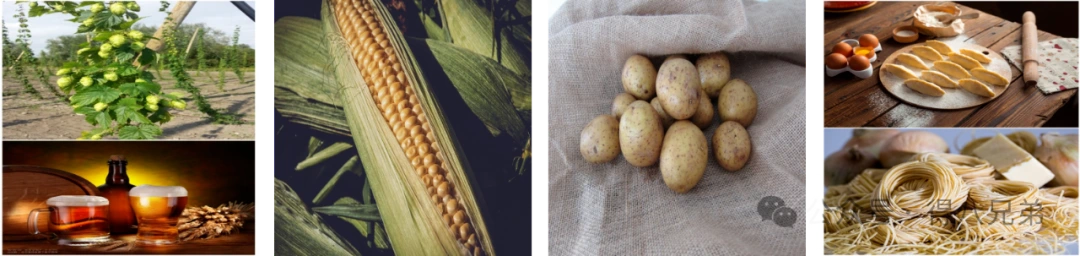
Use all applicable resources and save wherever possible.
Strengthening Environmental Performance and Promoting Sustainable Farming
Application of local raw materials in liquid feeding solves the dual challenges of agricultural waste pollution and environmental pressure in breeding at the source, realizing resource recycling. By products from agriculture and food processing cause soil and water pollution if discarded at will. Converted into feed via liquid feeding, these “pollutants” become resources, forming a circular chain: agricultural by products → feed → manure returning to fields → agricultural production. For instance, every ton of distiller’s grains utilized through liquid feeding reduces approximately 0.3 tons of CO₂ emissions and lowers waste treatment costs.
Furthermore, liquid fermentation of local raw materials greatly improves feed digestibility, significantly reducing nitrogen, phosphorus, and other pollutant emissions in pig manure. Data shows that feeding liquid feed formulated with local raw materials reduces nitrogen in manure by 20%–30% and phosphorus by 15%–25%, effectively easing manure treatment pressure. In addition, liquid feeding avoids dust pollution from dry feeding. Combined with local supply of raw materials, it cuts carbon emissions from transportation, supporting comprehensive green and sustainable pig farming.
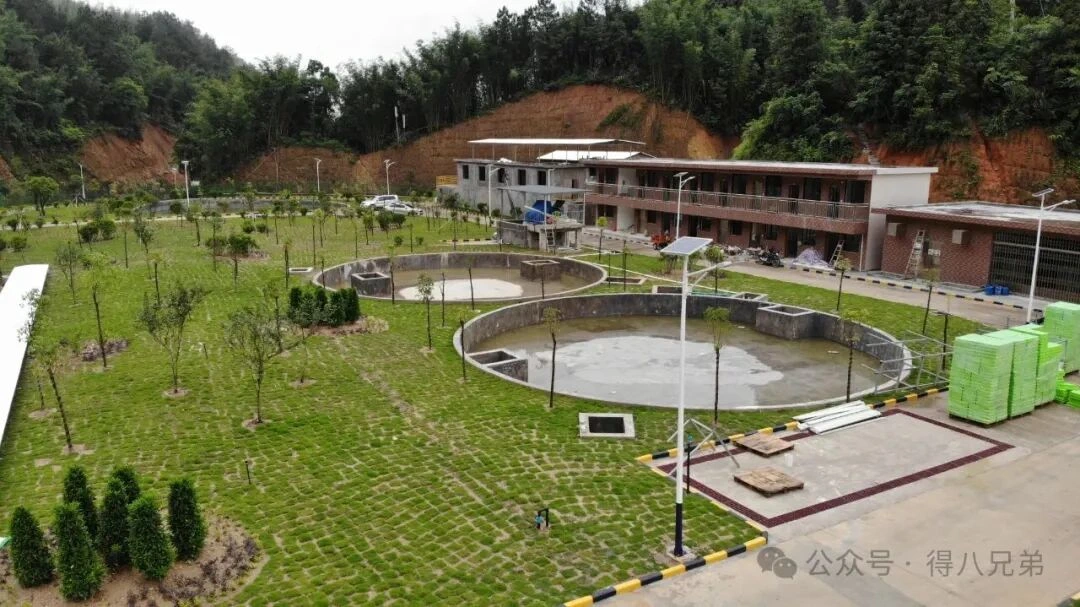
Local raw materials reduce feed costs, and processed manure is used as fertilizer for farmland. The two form a mutually beneficial cycle.
Improving Supply Stability and Reducing Market Risks
Prices of commercial feed raw materials are affected by international grain prices, transportation costs, market supply and demand, and other factors, leading to frequent fluctuations and high cost risks for pig farms. In contrast, local raw materials come from local agricultural production with stable supply channels, small price fluctuations, and immunity to external disruptions such as long-distance transportation interruptions and international market changes. When prices of bulk commodities such as corn and soybean meal surge sharply, farms can increase the proportion of local raw materials including wheat bran, soybean residue, and stover meal to offset cost pressures.
Meanwhile, liquid feeding systems are highly adaptable to local raw materials and can flexibly adjust formulas according to local output seasons and supply volumes. During wheat harvest, the ratio of wheat bran and straw meal can be increased; during fruit and vegetable harvest, large amounts of pomace and vegetable leaves can be used, realizing “local sourcing and timely utilization”. This flexible material allocation enhances resilience against market fluctuations and significantly improves production stability and risk resistance.
The deep integration of local raw materials and liquid feeding represents an important practice for the pig industry to pursue “cost reduction, efficiency improvement, and green development”. Its core value lies not only in lowering feed costs and enriching nutrition through local resource utilization, but also in building a sound “resource-breeding-environment” cycle, providing a stable and sustainable development path for pig farms. With continuous upgrading of liquid feeding technology and optimization of local raw material utilization processes, their combination will further release synergies, helping the pig farming industry transform toward higher efficiency, environmental protection, and competitiveness, and providing solid support for the sustainable development of animal husbandry.